How we work

Accessing the RTLB service and what to expect

Standards and procedures for Resource Teachers: Learning and Behaviour  set out how the RTLB service works and  ensures the service is consistent and meets Ministry of Education compliance requirements. 

A guide for making a Request for Support from the RTLB Service

Schools can make requests for support for

  • Individuals or groups of students to support their learning and engagement in education

  • Class or school requests to support meeting the needs of diverse learners

  • The development of school-wide systems to support diverse learners

Senco/LSC/Dean  (referrer)Checklist for making a RFS. Check you have…

  • Documented implemented strategies tried, and the outcome of these.

  • Consulted with your liaison RTLB prior to considering a RFS to ensure that it is appropriate, and the whānau and school team are ready for support.

  • Clearly explained the RTLB service to the teacher and confirmed that they have the commitment and capacity to engage in the collaborative planning process. The teacher has signed the consent. 

  • Meaningfully consulted with whānau/parents, and ensured they are aware of the reasons for the request for support and information being submitted. They have signed the top part of the consent form.

  • Identified a lead person within the school to work with RTLB and manage the ongoing support once RTLB support has finished.

  • Checked teacher and whānau/parental signatures, then upload the consent form to the eRTLB database.

  • Notified the liaison RTLB that the RFS is ready once all of the above have been completed.

Referrer check in with Teacher/Kaiako to confirm…

  • They are open to trying new approaches or strategies?

  • They are willing to  reflect, trial and review the plan alongside RTLB?

  • Who else is supporting this student (eg whānau, leadership, Public Health Nurse, Senco, LSC)? 

  • What is the teacher hoping will be the outcome (for this learner/s) and impact (broader than this learner) of support?

  • That a team approach will work for the teacher.

Schools identify  a need alongside whānau, this means gaining initial signed consent to make a Request for support to the RTLB service.  The delegated person at school will work with the Liaison RTLB to make the online request.

Below are our consent forms:

Individual/Group consent form Class/School consent form

Once an RTLB is allocated to work with you, they will meet with the team to go over what this work entails and seek whānau/parental/kaiako/teacher consent for their work to begin.

How the RTLB Process Works:

  1. Initial Meeting: Once allocated, the RTLB meets with the whānau, teacher, and student (if appropriate) to discuss the Request for Support and confirm consent to proceed.

  2. Classroom Observation: The RTLB observes the student in the classroom environment to gain insight into their daily learning and needs.

  3. Collaborative Planning: The team reconvenes to share findings, set goals, and create a support plan together.

  4. Regular Reviews: The RTLB meets regularly with the whānau and teacher to review progress and adjust support as needed.

These steps align with He Pikorua, the Ministry of Education’s overarching practice framework for Learning Support specialists and RTLB practitioners. He Pikorua provides the shared foundation for collaborative, ecological, culturally responsive, and strengths-based practice across Aotearoa New Zealand.

Other RTLB Practice Frameworks

Te Tūāpapa


He Urunga Tū

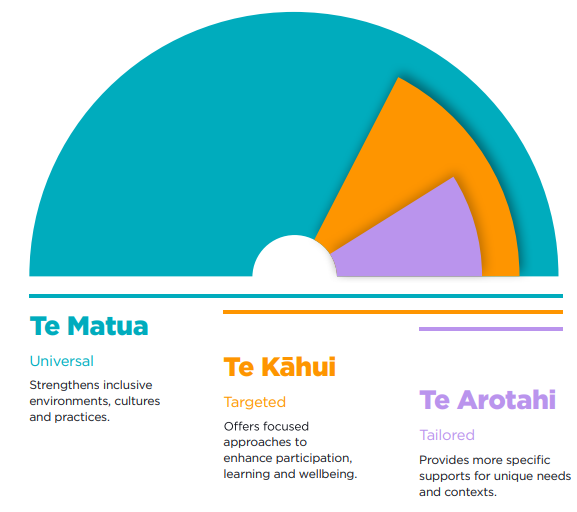
Te Tūāpapa (Tiered Support Model)

The tiered model operating within the He Pikorua framework that determines how support is structured and scaled.

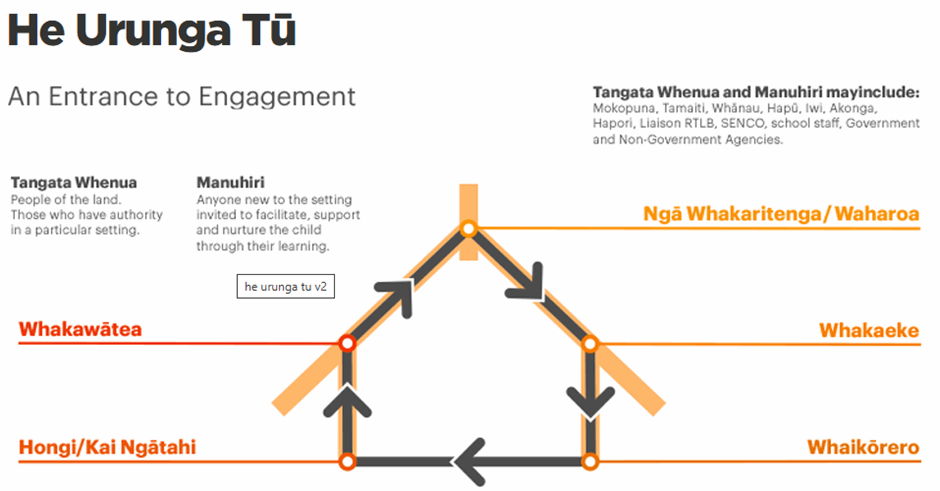
He Urunga Tū (Cultural Engagement Framework)

A practice framework created by Ngā Pouwhirinakitanga (Māori RTLB) that uses the steps of a pōwhiri to guide how RTLBs enter and work with a school or whānau context.

Te Whare Tapa Whā

Te Pikinga ki Runga

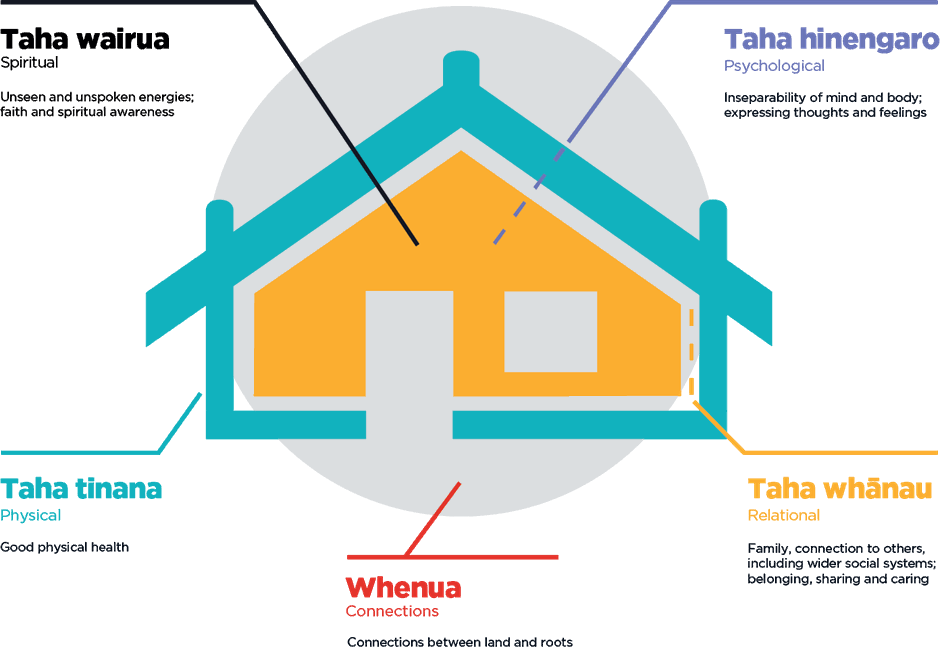
Te Whare Tapa Whā (Holistic Health Model)

Developed by Sir Mason Durie, this framework evaluates a person's wellbeing across four interconnected pillars (walls) resting on the land (Te Whenua).

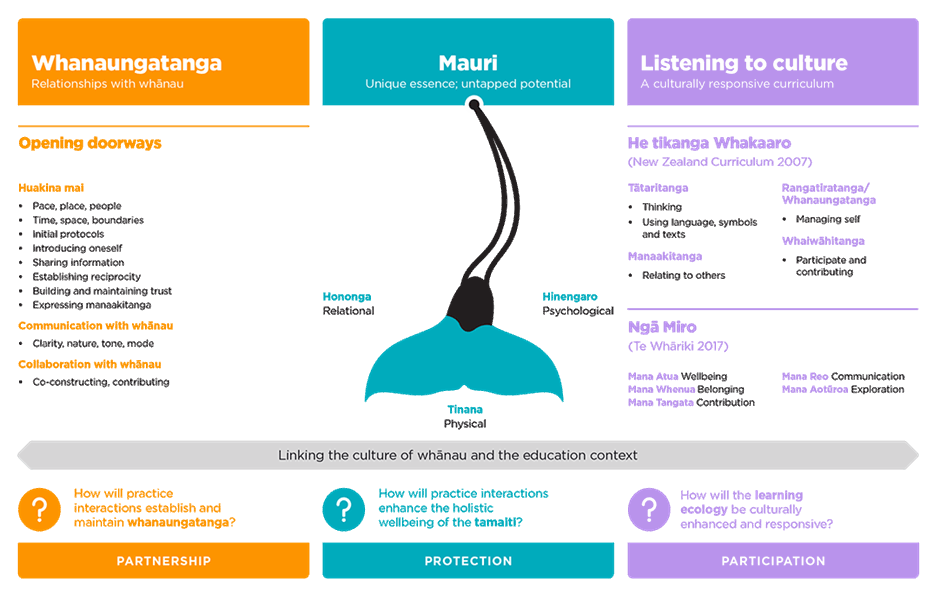
Te Pikinga ki Runga (Assessment & Planning Framework)

Developed by Dr Sonja Macfarlane specifically for educators to assess and plan interventions for Māori ākonga facing learning, behavioural, or identity challenges, structured directly around the three principles of Te Tiriti o Waitangi.

Ka Hikitia – Ka Hāpaitia

Fonofale

Ka Hikitia – Ka Hāpaitia (Systemic Policy Strategy for Māori Education)

An education strategy to support Māori enjoying and achieving education success as Māori as they develop the skills to participate in te ao Māori, Aotearoa and the wider world.

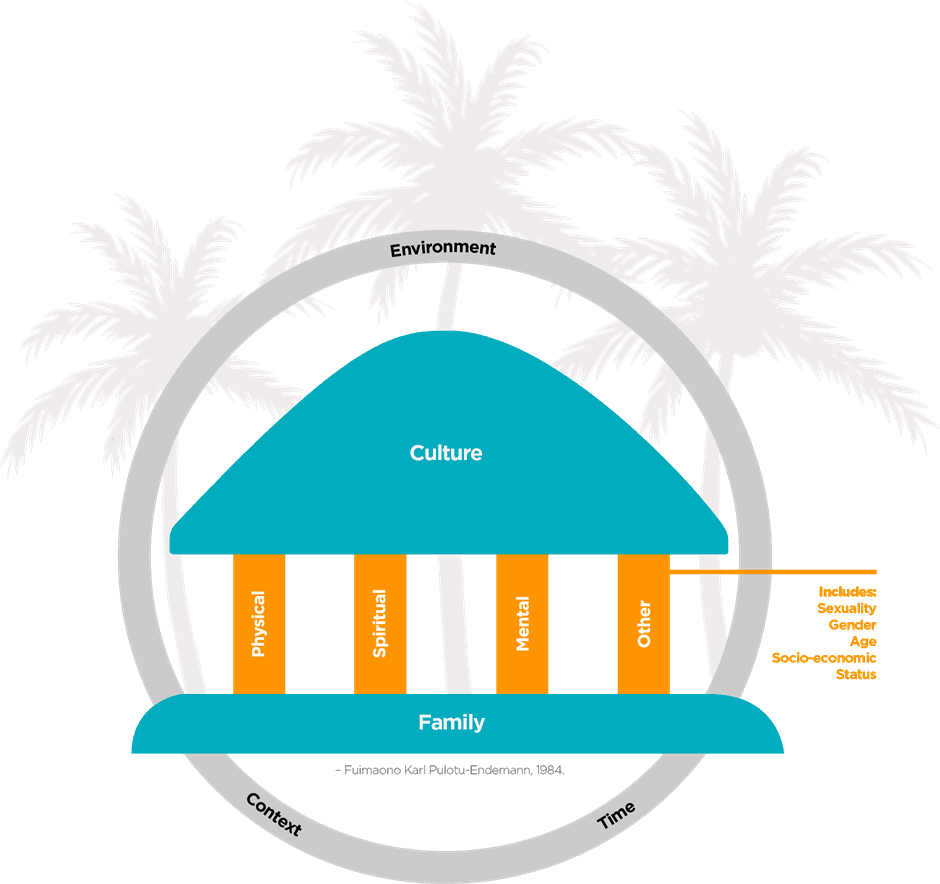
Fonofale (Fuimaono Karl Pulotu-Endermann, 1984)

The Fonofale is one of a number of culturally affirming, ethnic specific models, that offers a perspective on Pacific well-being and engagement.

Tātaiako

Tapasā

Tātaiako (Teacher Competency Framework - Māori)

A national competency guide developed by the Ministry of Education and Teaching Council to help teachers build effective, culturally responsive relationships with Māori learners and whānau.

Tapasā (Teacher Competency Framework - Pacific)

Provides practical guidance and behavioural indicators for educators to better support the identities, languages, and success of Pacific students, built across three core competencies (Turu).


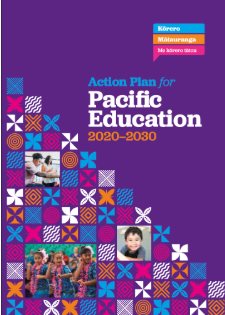
Action Plan for Pacific Education

Action Plan for Pacific Education (Systemic Policy Strategy)

Outlines system-wide shifts, funding priorities, and structural changes needed across Aotearoa to eliminate discrimination and expand Pacific bilingual and immersion pathways. It targets systemic reform at the macro level, while Tapasā guides individual classroom practice at the micro level.